Life & Soul Lifestyle Beauty . Fashion . Health . Life
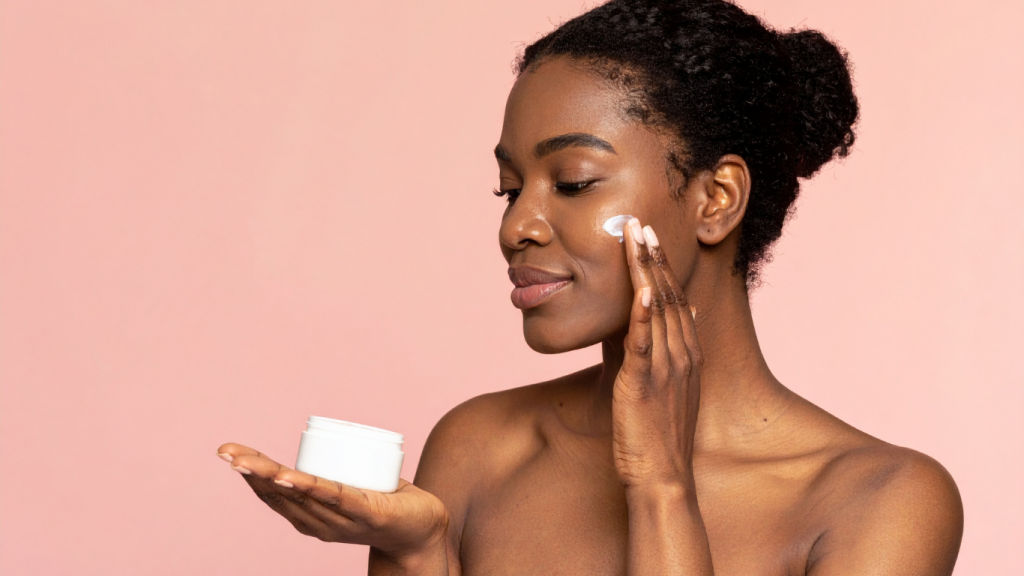
There has probably never been a better time to talk about SPF. With the current UK heatwave and summer here, our social media timelines are flooded with sunscreen recommendations, viral “must-haves” and increasingly intense conversations about protection levels, UV indexes and anti-ageing. SPF has evolved far beyond a beach holiday essential. It now sits at the centre of skincare routines, beauty trends and wellness conversations alike.
But after spending weeks testing a wide range of SPF products for our SPF Diaries series – from luxury creams and fluid formulas to dry mists and medical-grade SPF100; I found myself thinking less about hype and more about something much simpler:
What actually makes people want to wear SPF consistently?
Because increasingly, I’m not convinced the “best” SPF is necessarily the one with the highest protection or the most viral social media buzz. I think the best SPF is the one people genuinely enjoy wearing every day.
The Problem With Modern SPF Conversations
A lot of current SPF discourse can feel strangely disconnected from real life. We obsess over numbers, ingredients and trends, but rarely discuss how sunscreen actually feels to wear day-to-day. Whether it pills under makeup. Whether it leaves a white cast. Whether it feels greasy on a humid commute. Whether someone will realistically remember or even want to reapply it during a long summer afternoon.
That became increasingly obvious to me throughout this series.
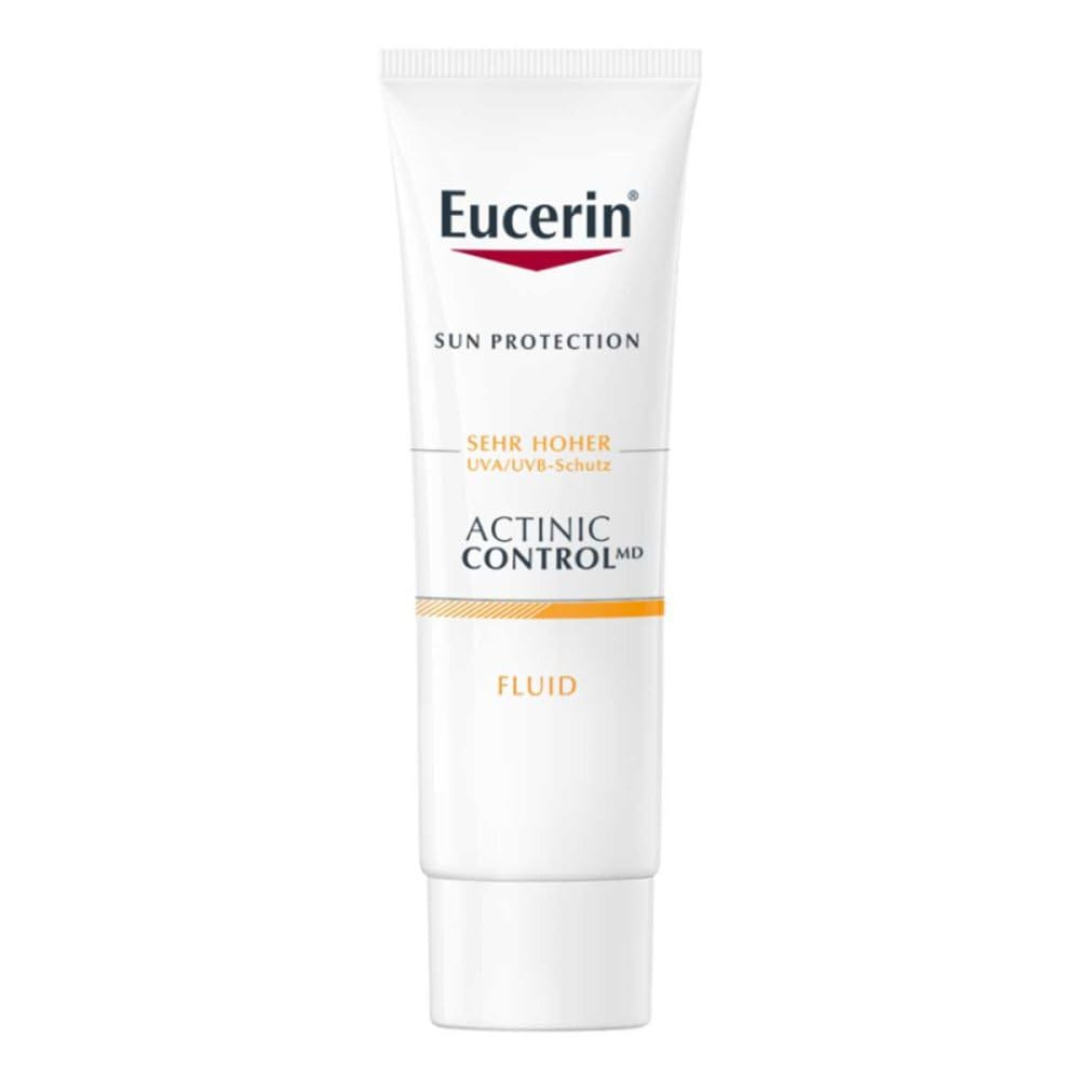
One of the clearest examples was Eucerin’s Actinic Control SPF100, a product specifically designed to help prevent actinic keratosis and non-melanoma skin cancer. On paper, it sounds incredibly impressive – extremely high protection, broad-spectrum coverage and serious dermatological credentials. But in practice, I struggled with it.
Despite its fluid texture, it took a long time to blend into the skin, felt drying rather than moisturising and left a very noticeable white cast on my complexion. I found myself reaching for a foundation just to make it wearable. And ultimately, I realised something important; if a product feels uncomfortable or difficult to wear, people simply won’t reach for it consistently, regardless of how high the SPF number is.
That was probably the biggest lesson of this entire series. Protection alone is no longer enough.
Texture Is Important
One thing I didn’t expect while testing these products was just how emotionally responsive I became to texture.
The SPFs I kept returning to weren’t necessarily the ones with the most dramatic claims. They were the ones that felt elegant, comfortable and easy to live with.
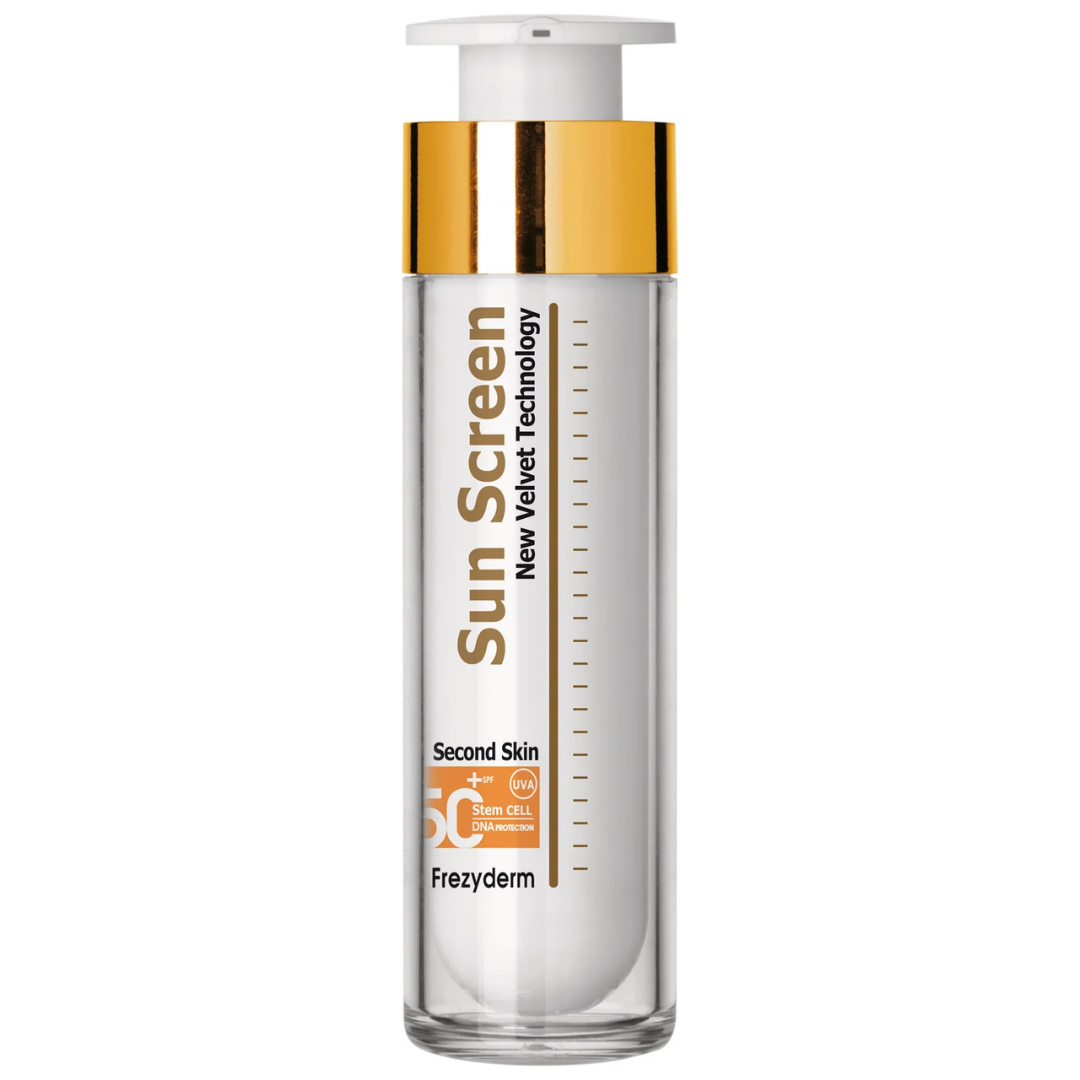
FREZYDERM’s Sun Screen Velvet Face SPF50+ completely surprised me in this regard. My first impression was confusion; the texture felt almost Vaseline-like, unlike any SPF I’d tried before. But once applied, it transformed into an incredibly smooth, velvety finish that genuinely made my skin feel soft and refined. It sat beautifully under makeup and was comfortable enough to wear even on no-makeup days.
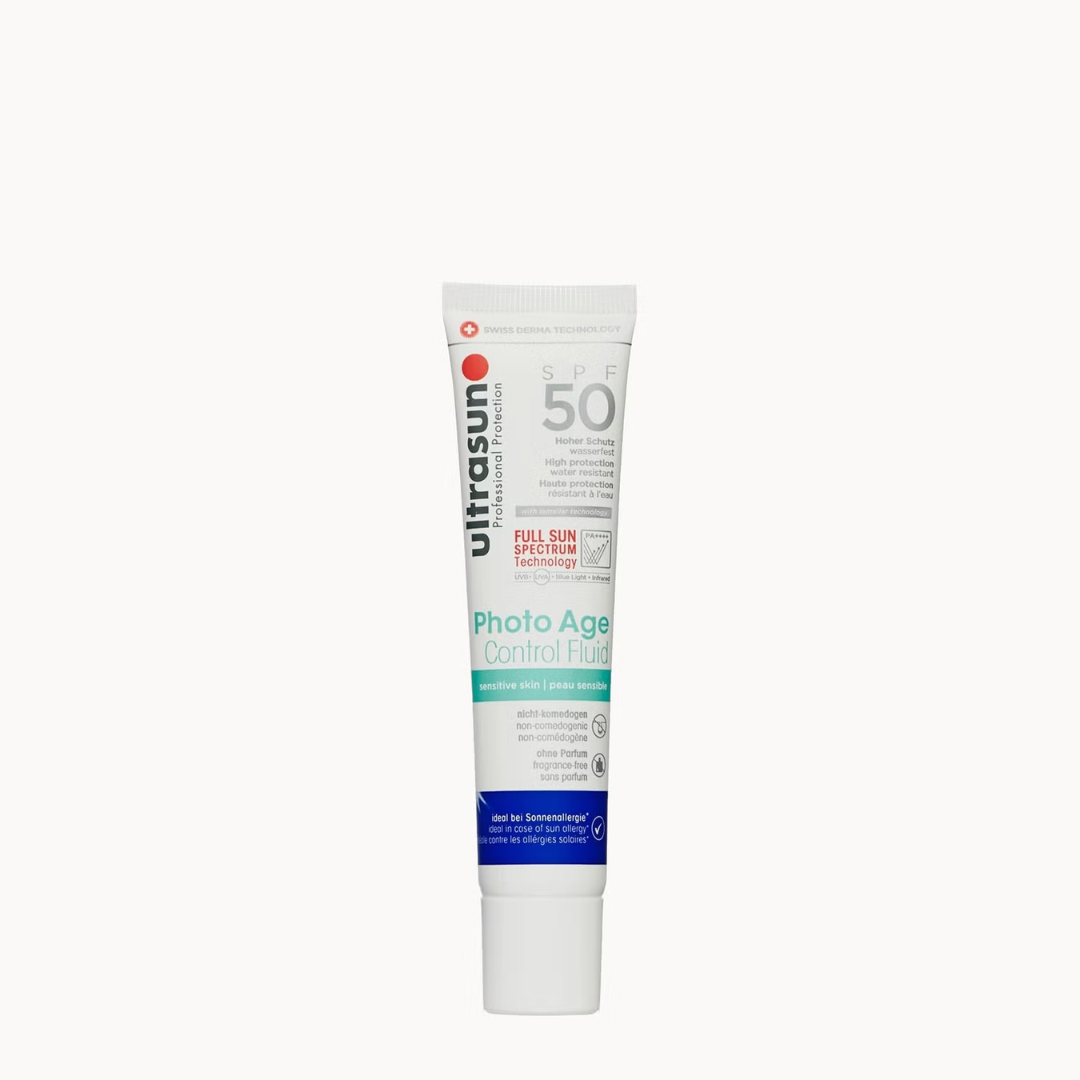
Similarly, Ultrasun’s Photo Age Control Fluid SPF50 felt like a return to the kind of SPF experience I personally enjoy most – lightweight, hydrating, easy to absorb and completely free from white cast. After struggling with the brand’s tinted Anti-Pigmentation Face Fluid, this felt like the “Ultrasun” I knew and trusted.
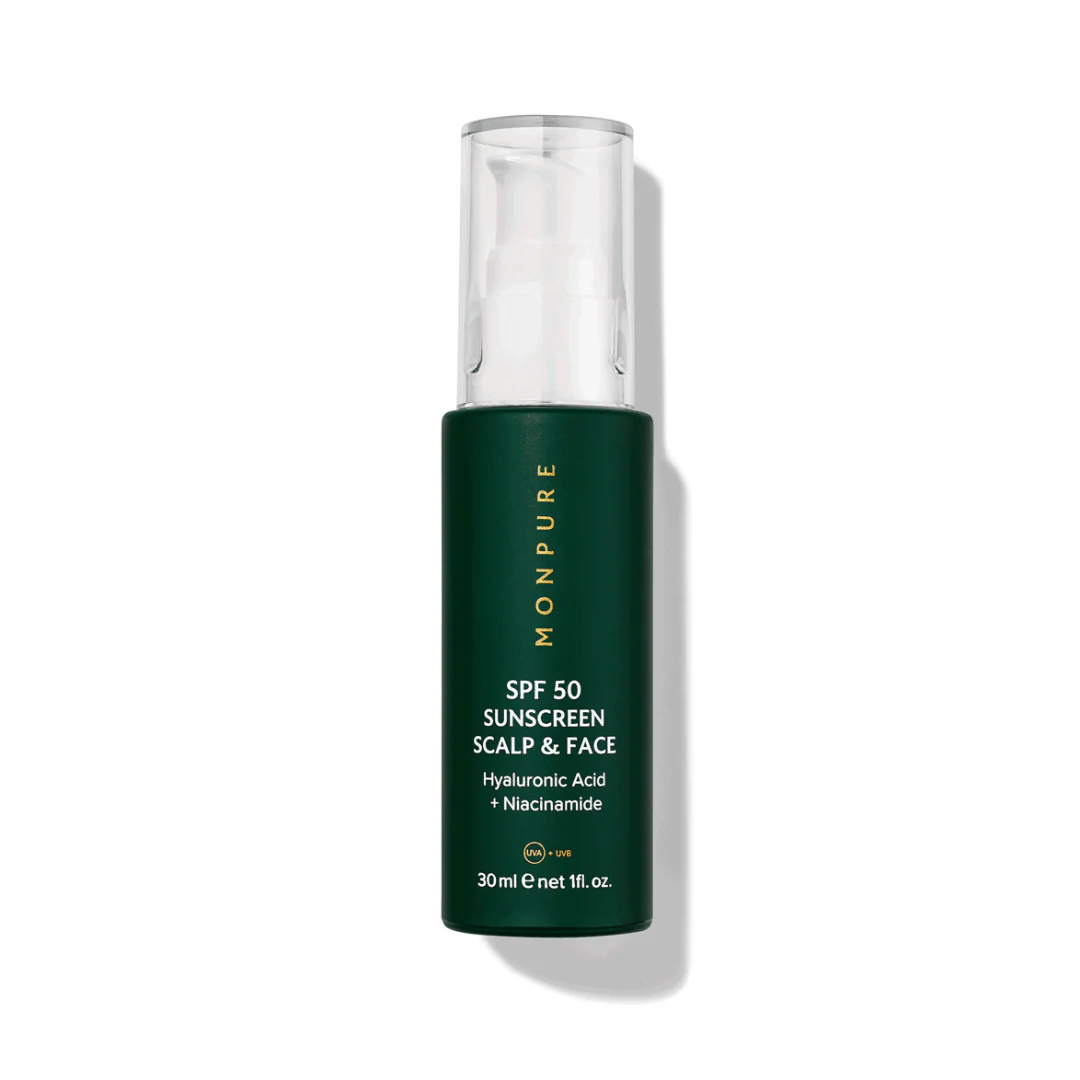
MONPURE London’s SPF50 Scalp & Face Sunscreen also stood out for how skincare-led it felt. Creamy, moisturising and elegant without becoming greasy, it delivered the kind of finish I increasingly realised I value most in SPF. Ingredients like niacinamide and multi-molecular hyaluronic acid helped it feel less like a chore and more like an extension of skincare itself.
And that’s where modern SPF is heading.
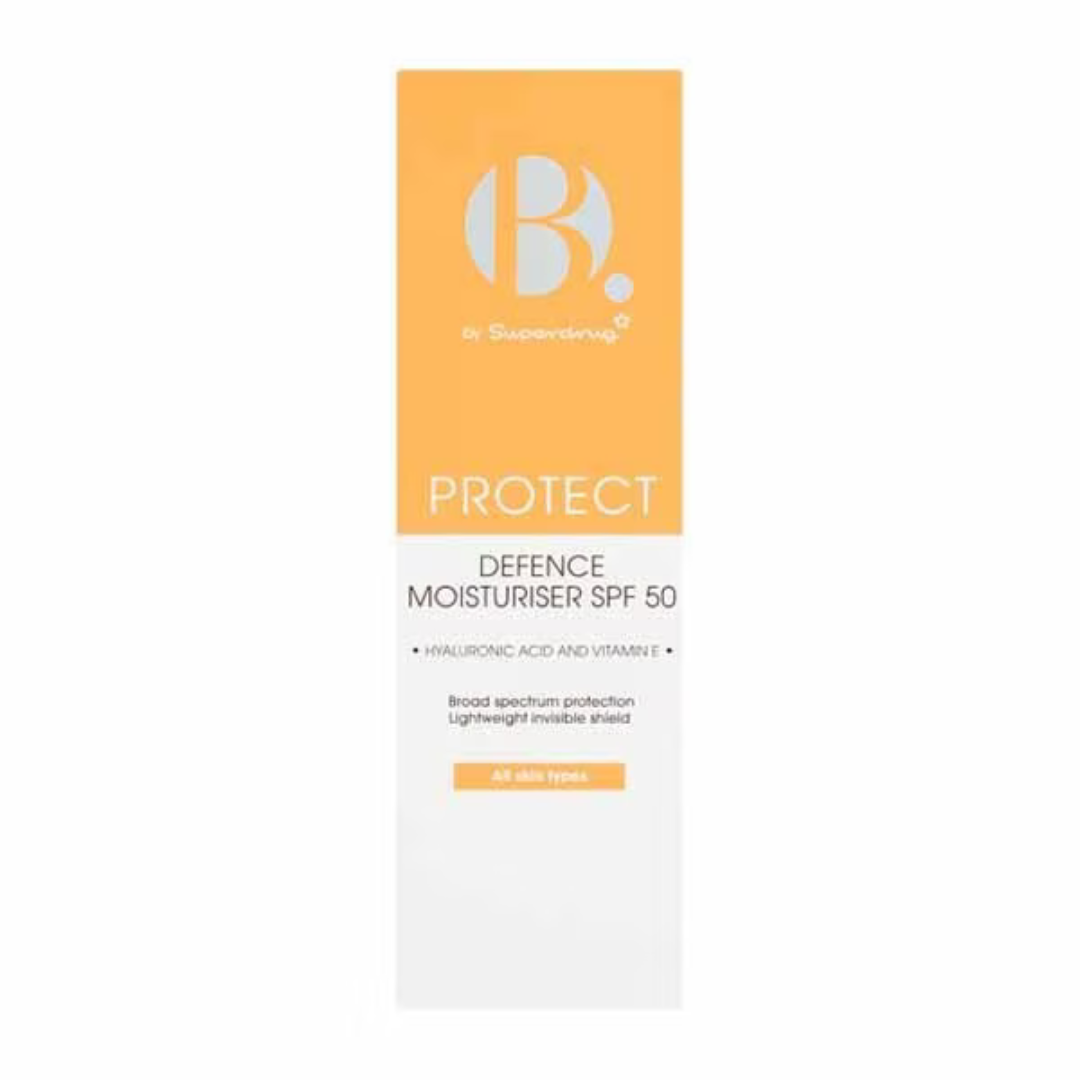
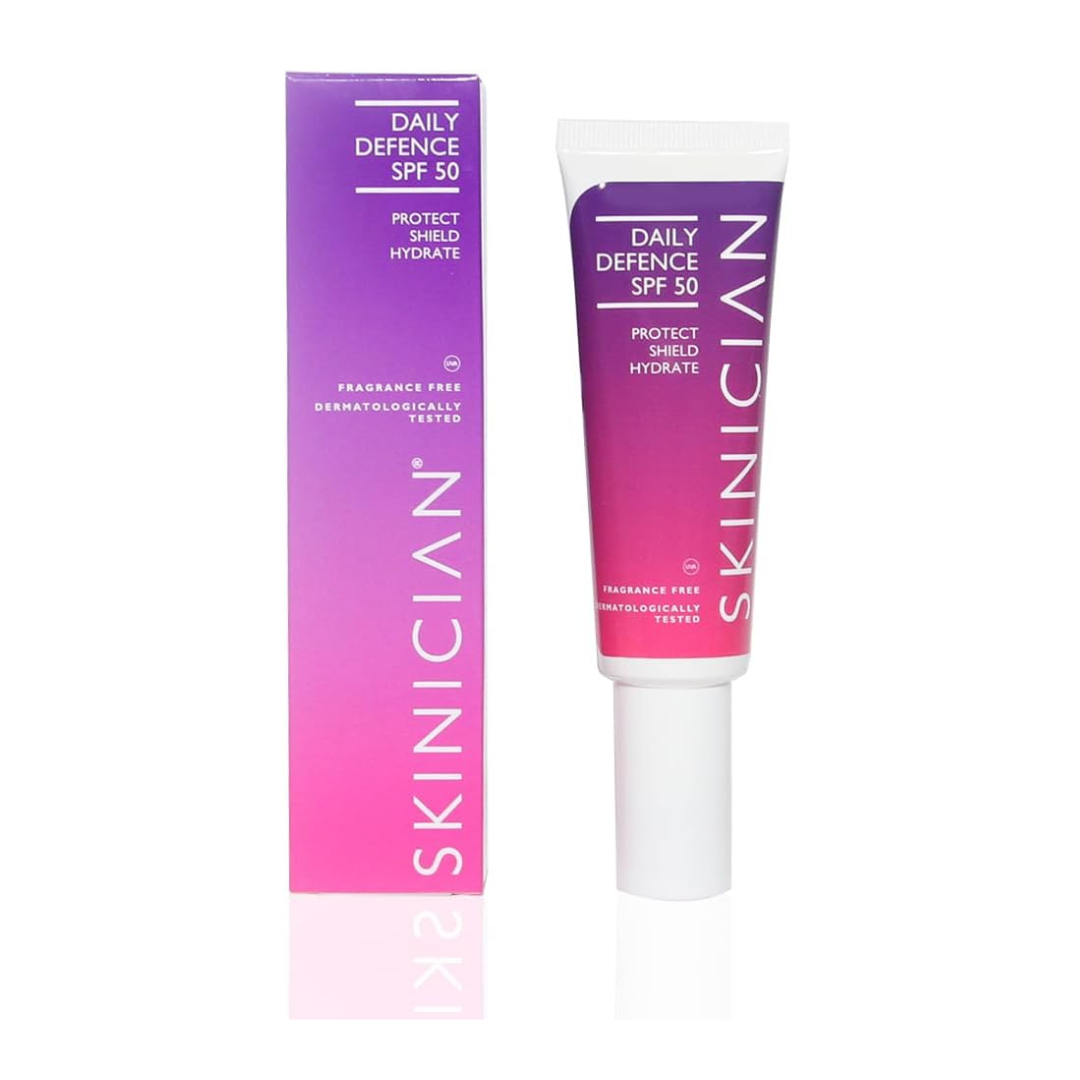
The products I responded to most weren’t acting purely as sunscreen anymore. They were functioning as skincare hybrids, like Superdrug’s B. Protect Defence Sun Cream SPF50 and Skinician’s Daily Defence SPF50 moisturiser with blue light protection – both designed to hydrate, support the skin barrier and layer seamlessly into everyday routines.
White Cast Is Still The Industry’s Biggest Blind Spot
If there was one issue that repeatedly surfaced throughout this series, it was white cast. And honestly, in 2025, it still feels like one of the beauty industry’s biggest blind spots, particularly for people with deeper skin tones.
Several products immediately highlighted this issue for me.
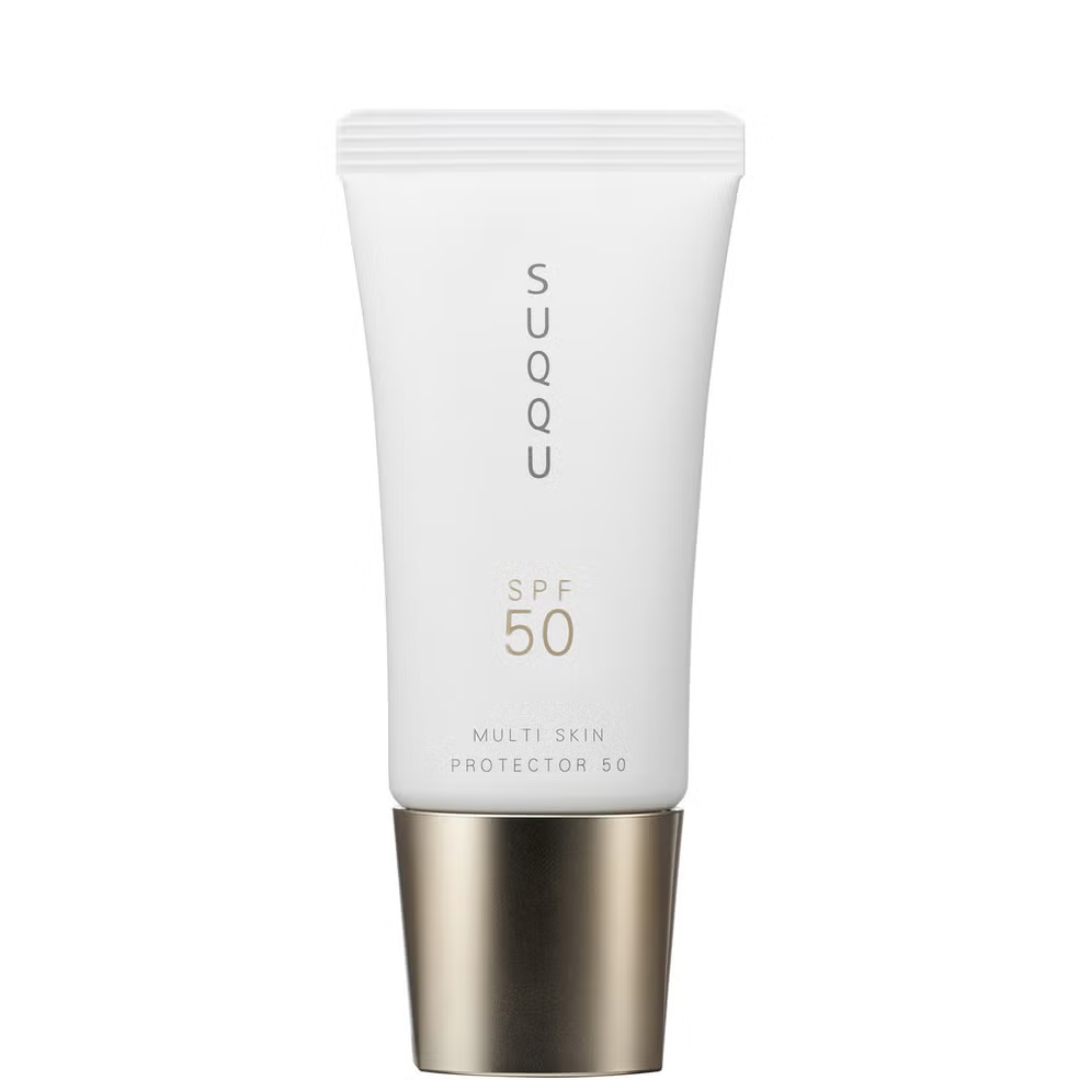
SUQQU’s Protecting Day Cream SPF50+ offered high protection and created a beautiful base under makeup, but it also left a noticeable white cast that made it difficult to wear comfortably on bare-skin days. I found myself mentally categorising it as a “makeup SPF” rather than an everyday one.
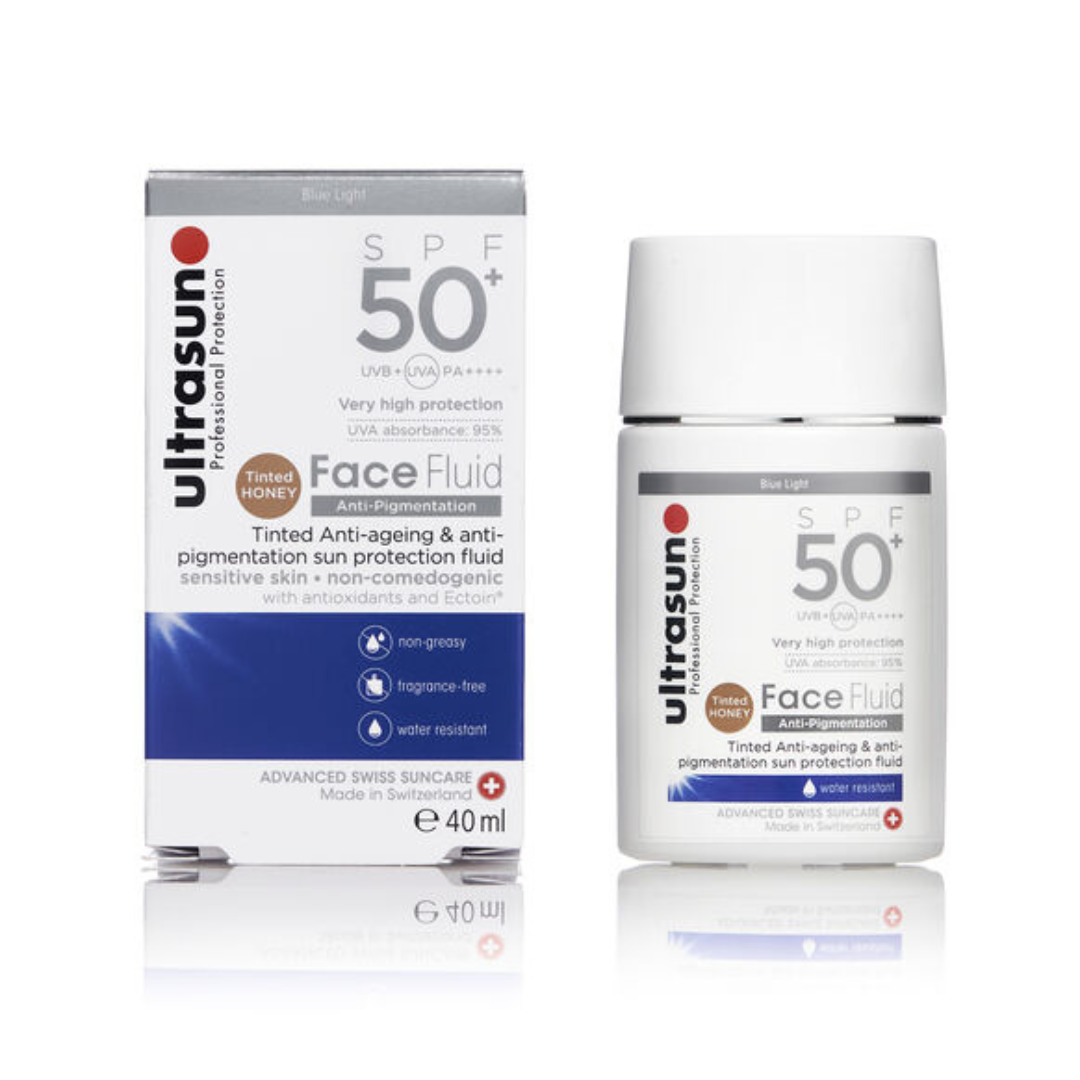
Ultrasun’s Face Fluid Anti-Pigmentation SPF50+ in Tinted Honey presented a different challenge. The formula itself is lightweight and easy to work into the skin, but the tint simply didn’t work for my complexion. It reinforced something that has long been an issue; many tinted SPF products still fail to account for the full spectrum of skin tones.
Even when brands attempt inclusivity through tinting, the execution often remains limited. And that matters because sunscreen only works if people actually feel comfortable wearing it.
The Rise Of SPF That Fits Into Real Life
One of the most interesting parts of this series was testing SPF mists, because they introduced something that many sunscreen conversations still overlook, reapplication.
We talk endlessly about applying SPF in the morning, but far less about what happens afterwards during commutes, gym sessions, long lunches outdoors or hot afternoons when makeup is already sitting on the skin.
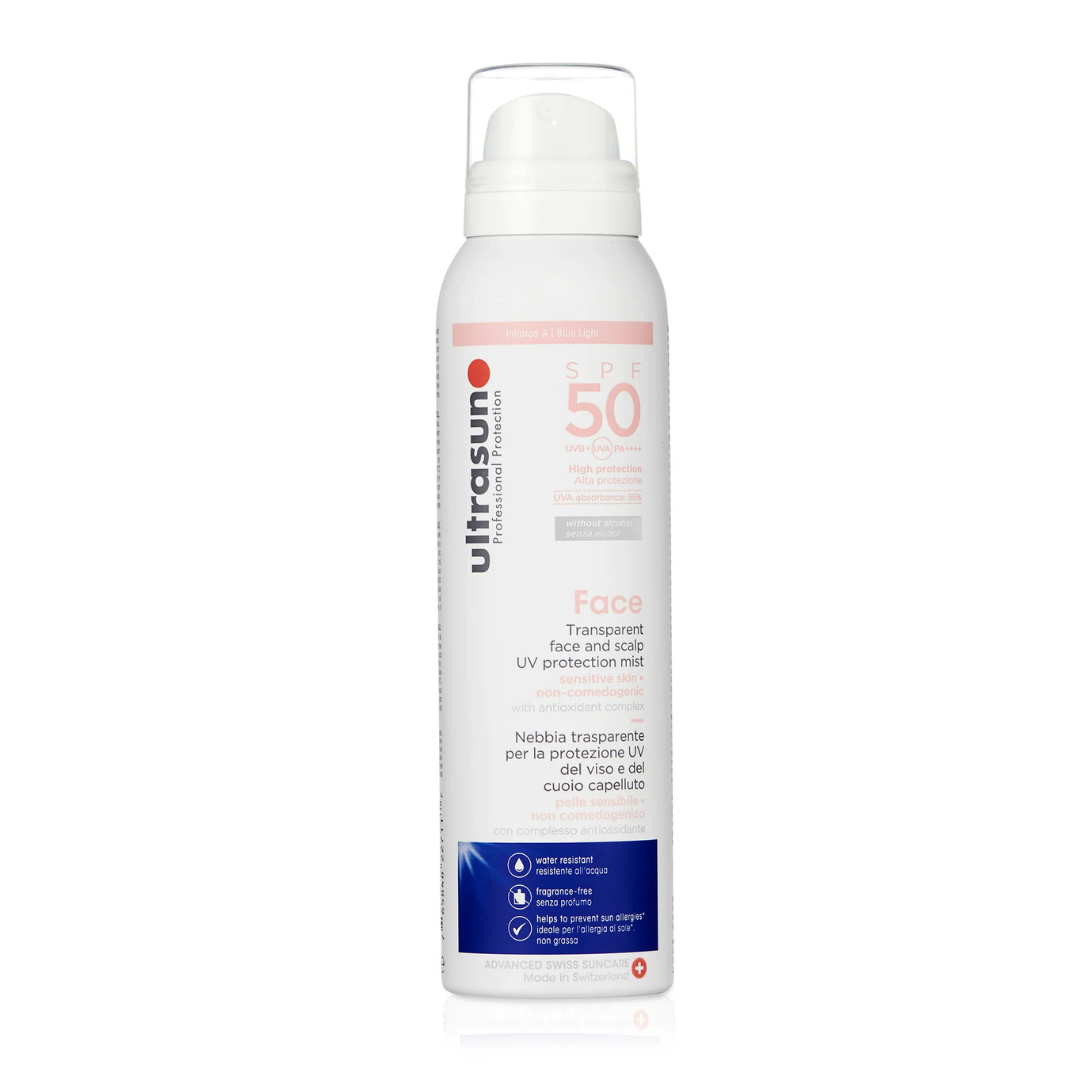
That’s why products like Ultrasun’s UV Face & Scalp Mist SPF50 genuinely impresses me. In fact, it’s become one of my favourite sun protection products overall.
The dry mist texture means it sits lightly over makeup without disrupting it, making top-ups feel effortless rather than inconvenient. It’s transparent, fast-drying and genuinely easy to carry around throughout the day. During this recent heatwave, I found myself reaching for it constantly because it fit so naturally into real life. That to me, is what modern SPF innovation should look like.
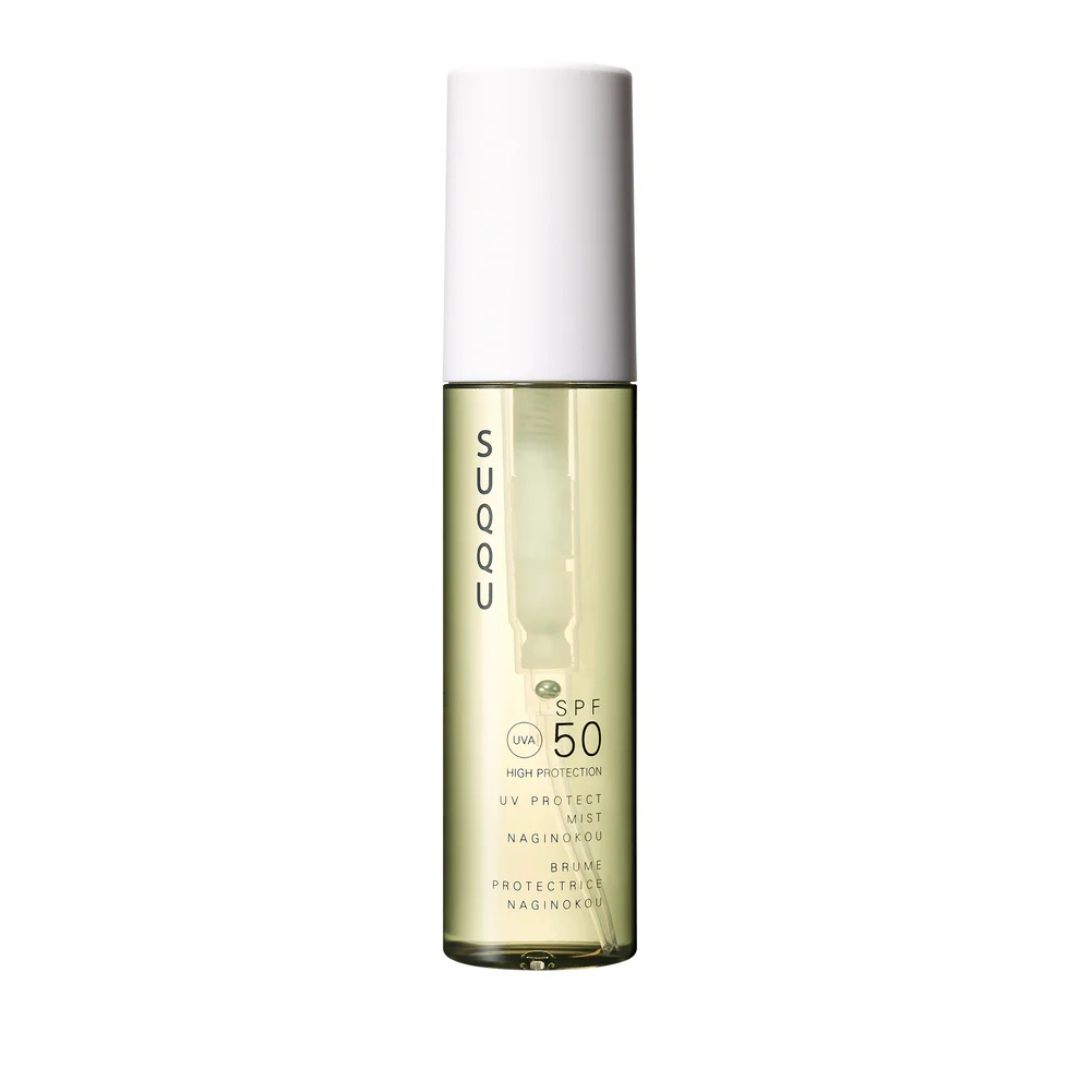
A late addition to my list was the newly launched SUQQU UV Protect Mist – Naginokou which offered an interesting contrast. Beautifully packaged with a soft, calming fragrance, it felt luxurious and elegant in typical SUQQU fashion. It absorbed into the skin quickly and left no residue behind.
But I found the application instructions slightly contradictory. While the brand positions it as suitable over makeup, it also recommends spraying the mist onto hands first before patting it into the skin – a method that inevitably disrupts makeup more than a direct mist application would.
That said, I still found it to be enjoyable and effective with a high protection.
So, What Actually Matters In An SPF?
After weeks of testing, I realised my priorities around SPF have changed quite significantly. Of course, high protection matters. Broad-spectrum coverage matters. Ingredients matter. But increasingly, I think texture, comfort and wearability matter just as much.
I now care about whether an SPF:
- sinks into the skin easily
- leaves no white cast
- works under makeup
- feels hydrating rather than heavy
- fits into daily life
- and most importantly, whether I genuinely want to keep reaching for it
Because the reality is; the most effective sunscreen is ultimately the one people will wear consistently. And maybe that’s the calmer, more honest SPF conversation we should be having this summer.